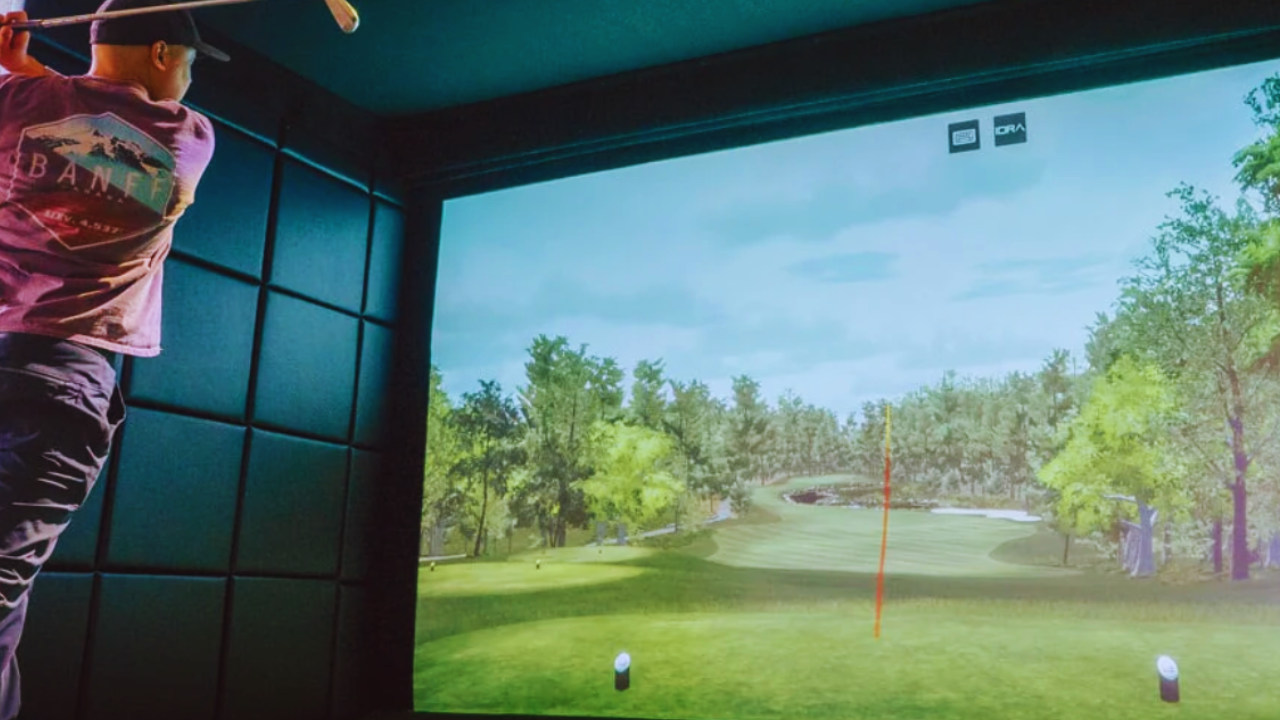
Most people focus on the fun parts first. Launch monitor. Screen. Maybe a clean enclosure.
Sound is usually an afterthought.
Then you hit your first few shots.
The crack of the driver. The thud into the screen. The echo bouncing around the room.
And suddenly you’re thinking about your neighbors. Or your family upstairs. Or just how intense it feels after 20 minutes.
Soundproofing isn’t about making your simulator silent. That’s not realistic.
It’s about making it controlled, comfortable, and usable whenever you want.
And if you get it right early, you won’t be trying to fix it later.
What Actually Makes a Golf Simulator Loud
Before you start throwing foam on the walls, it helps to understand where the noise is coming from.
There are three main sources:
1. Impact Noise (Ball → Screen)
This is the big one.
Driver into an impact screen creates a sharp, high-energy sound. It’s not just loud, it’s punchy, which is what travels through walls.
2. Club → Ball Contact
That clean strike sound feels great on the course.
Indoors, it can echo hard, especially in smaller rooms with bare walls.
3. Room Echo and Reflection
Even if the initial sound isn’t terrible, hard surfaces bounce it around.
Concrete floors, drywall, ceilings — they all reflect sound instead of absorbing it.
That’s why even a decent setup can feel way louder than expected.
Soundproofing vs Sound Treatment (Important Difference)
This is where a lot of people go wrong.
You’re not truly “soundproofing” your room unless you’re rebuilding walls.
What you’re really doing is:
Sound treatment — reducing echo and softening impact
Sound dampening — limiting how much noise escapes
And that’s enough for most home setups.
Start With the Biggest Win: The Impact Area
If you only fix one thing, fix this.
That ball hitting the screen is your loudest moment every single swing.
What Actually Helps
-
Adding padding behind the screen
-
Using a slightly looser screen tension
-
Layering materials instead of relying on just the screen
A product like:
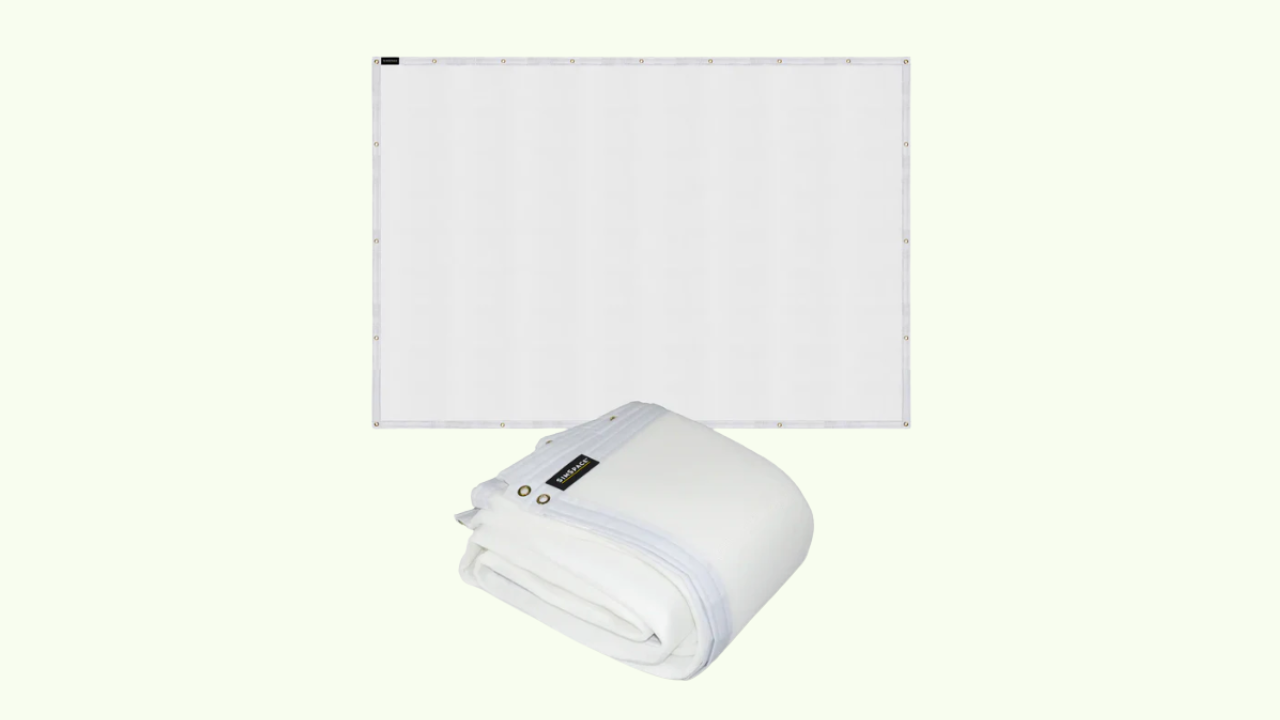
- SimSpace Impact & Noise Absorbing Foam Backing · €308.51
…is a good example of something designed specifically for this.
It sits behind the screen and absorbs a big portion of that impact energy instead of letting it bounce straight into the wall.
👉 This is one of those upgrades people usually wish they did earlier.
Walls: Where Most People Underdo It
This is where the “I’ll just add a few panels” mistake happens.
A couple of small foam squares won’t do much.
You need coverage and thickness.
What Works
-
Acoustic foam panels
-
Fabric-wrapped panels
-
Even DIY solutions like thick curtains or moving blankets
Something like:
Golf Simulator Hexagon Acoustic Wall Tiles Sound Dampening Panels · €34.71
…is useful because it’s designed for this kind of setup.
The key is not the shape. It’s:
👉 How much surface area you’re covering
👉 How thick the material is
From actual user experience:
“To really dampen sound… you need mass.”
That’s the part people miss. Thin foam helps echo, but thicker material helps volume.
The Ceiling (The Silent Problem Area)
People almost always ignore the ceiling.
Then they realize:
-
Sound is bouncing straight up
-
Then coming right back down
If your room has low ceilings, this matters even more.
Simple Fixes
-
Foam panels on the ceiling
-
Hanging acoustic panels
-
Even suspended fabric can help
You don’t need full coverage, but some treatment above the hitting zone makes a noticeable difference.
The Floor Is Louder Than You Think
Hard floors reflect sound just like walls.
And they amplify the “crack” feeling.
What Helps
A good hitting mat does more than just feel better.
Something like:
SimSpace Hitting Mat Tee Turf · €339.99
…adds a layer between your club, the ball, and the ground.
That reduces vibration and takes a bit of harshness out of each strike.
It’s not a full sound solution, but it contributes more than people expect.
Enclosures and Nets Make a Big Difference
Open setups are louder.
That’s just the reality.
Sound spreads everywhere.
Why Enclosures Help
-
They contain the sound
-
They add soft surfaces around impact
-
They reduce echo immediately
For example:
SimSpace Golf Simulator Enclosure · €1,699.99
…creates a more controlled environment compared to hitting into an open wall or basic net.
Even a net setup like:
On Par SimSpace Deluxe Practice Net · €329.99
…can soften impact noise compared to a rigid surface.
Budget vs Results: Where to Spend First
If you’re trying to be smart with money, here’s how I’d prioritize it:
1. Impact area (non-negotiable)
This is your biggest noise source.
2. Walls near the hitting zone
You don’t need the whole room right away.
3. Floor and mat
Adds comfort and reduces harshness.
4. Ceiling (if echo is bad)
Usually a second-phase upgrade.
Common Mistakes to Avoid
“I’ll just use thin foam everywhere”
Doesn’t work the way people expect.
Thin foam reduces echo, not impact noise.
Ignoring what’s behind the screen
This is huge.
If your screen is hitting directly against a wall, you’re basically amplifying sound.
Not thinking about neighbors or shared walls
Even if your room sounds fine to you, vibrations travel.
Especially through floors and connected walls.
Expecting silence
Not happening.
You’re swinging a golf club at full speed indoors.
The goal is:
Controlled
Not disruptive
Comfortable for longer sessions
Setup Tips That Make a Real Difference
These are small things, but they add up.
Leave a gap behind your impact screen
Even a few inches helps reduce sound transfer.
Use layered materials instead of one thick surface
Foam + fabric + air gap works better than just foam.
Treat the area around where you actually stand
That’s where most of the sound reflects back to you.
Test before fully committing
Hit balls, listen, adjust.
Every room behaves differently.
Realistic Expectations (This Matters)
Even a well-treated simulator room will still:
-
Make noise on driver swings
-
Be noticeable in nearby rooms
-
Sound louder than outdoor golf
What you’re aiming for is:
No sharp echo
No harsh “crack” feeling
Reduced sound leaving the room
If you get those three right, the space becomes way more usable.
What I’d Do If I Was Starting From Scratch
Simple setup:
-
Impact screen with padding behind it
-
Wall panels around the hitting area
-
Decent hitting mat
-
Add ceiling treatment if needed later
That alone gets you most of the way there.
You don’t need a fully treated studio to make it feel good.
Final Thoughts
Soundproofing a golf simulator isn’t about perfection.
It’s about removing the things that make the space uncomfortable to use.
Once the echo is gone and the impact feels softer, everything changes.
You’ll hit more balls. You’ll stay longer. You’ll actually enjoy the setup.
And that’s the whole point.