Typical Price Range: Mid $900s – low $1,200s USD depending on retailer and configuration
Overview — A Realistic, Durable Hitting Surface for Simulators
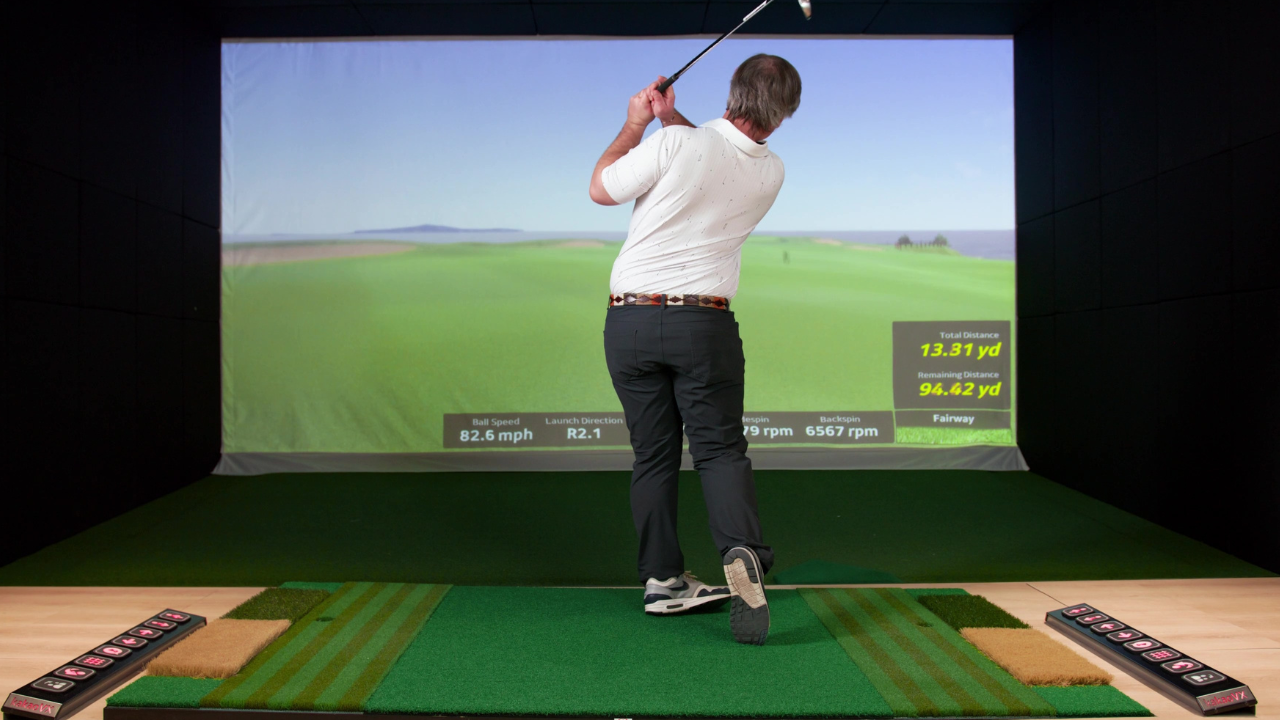
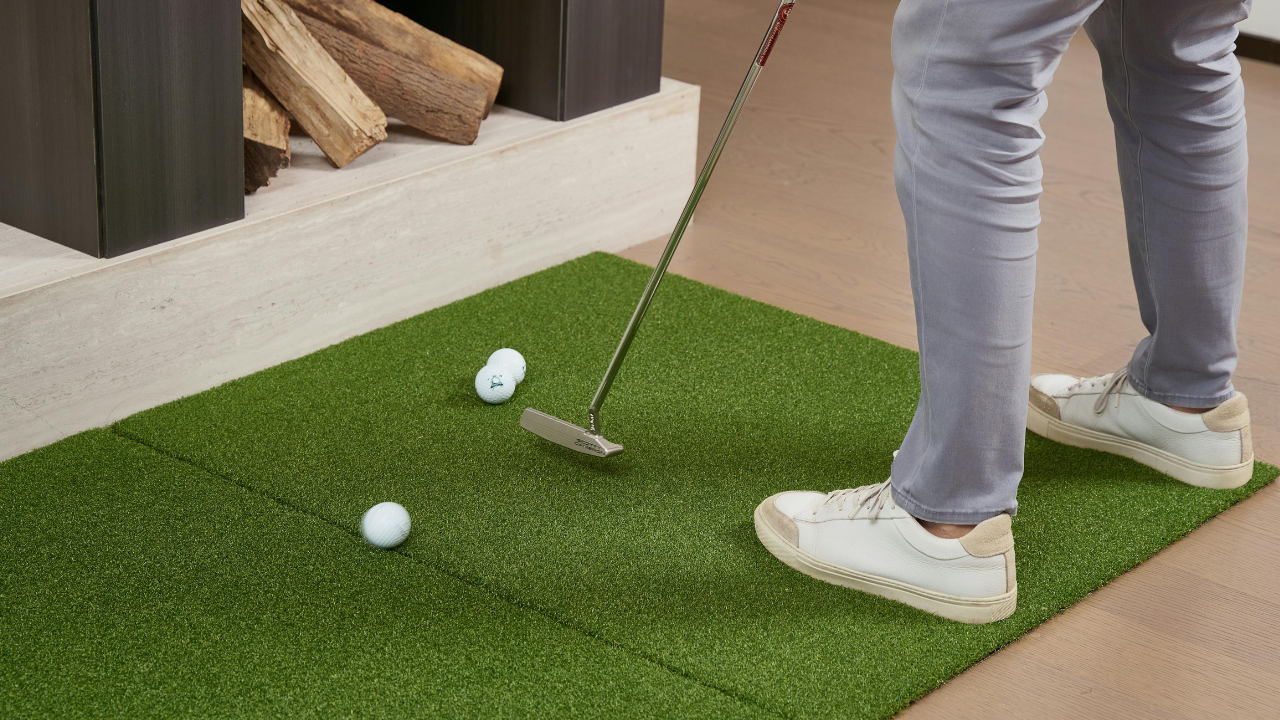
A golf simulator hitting mat is one of the most overlooked components in a home build, yet it’s one of the most frequently used. The SIGPRO Softy 4' x 7' Golf Mat is designed specifically for indoor golf simulator environments, balancing realistic turf feel, joint‑friendly impact absorption, and long‑term durability. This mat aims to address common frustrations players have with basic range mats or budget simulator mats, such as being too hard, too grabby, or failing to take a real tee.
Rather than behaving like a generic carpet or range mat, this mat is engineered to feel more like hitting off fairway turf — especially when combined with a launch monitor and simulator screen.
Key Features & Practical Benefits
Real Turf‑Like Feel
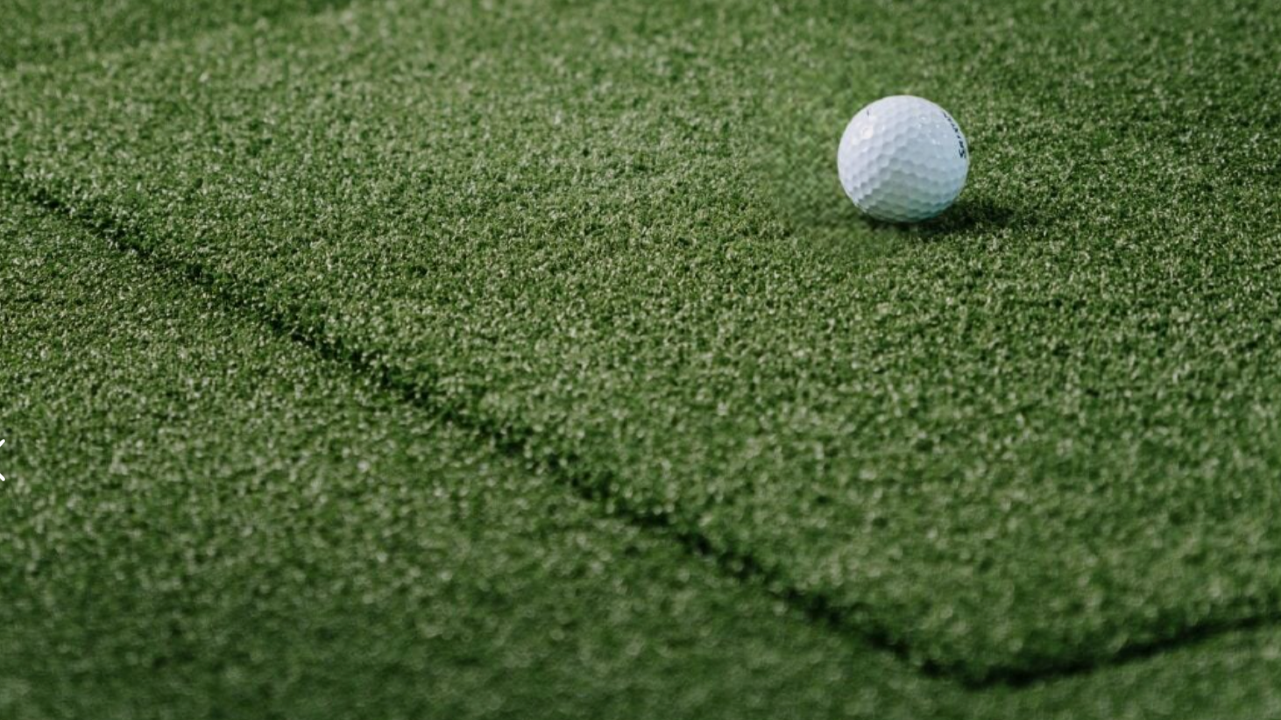
The Softy mat has a soft, plush turf surface that closely mimics the sensation of hitting off a fairway, which helps deliver more natural contact feedback compared to cheap mats that feel either too rigid or too soft underfoot.
Joint‑Friendly Shock Absorption
A core foam insert and responsive base layer absorb impact forces, making long practice sessions easier on ankles, knees, and lower back — an important aspect that many simulator owners notice only after weeks of use.
Replaceable Hitting Strip
The mat’s hitting strip can be swapped out without replacing the entire mat. Over time, only the wear surface needs updating, which reduces long‑term costs and downtime.
Real Tee Compatibility
Unlike some budget indoor mats that prevent tee use, the Softy mat supports real tees, so you can practice full swings with drivers and fairway woods in a way that’s closer to actual course conditions.
Durability for Frequent Use
Built to withstand tens of thousands of shots without degrading quickly, this mat holds up over repeated sessions and heavy use — a common need for serious golfers who practice often.
Dimensions & Practical Fit
This version measures 4 feet by 7 feet with a height around 2.5 inches. It’s sized to fit typical simulator layouts while still giving ample room for stance, swing, and ball positioning. The footprint balances coverage with space efficiency, making it a solid choice for garage or basement setups where space is valuable.
Who This Mat Is Best For
This mat appeals to golfers who:
-
Want a realistic turf feel that doesn’t hurt joints after repeated swings
-
Plan to use full iron and driver practice in their simulator
-
Want accurate feedback that aligns well with launch monitor data
-
Intend to practice frequently and value long‑term durability
-
Are building a studio or garage simulator where comfort and realism matter
For casual short‑game practice or infrequent use, simpler mats may suffice, but golfers who commit to consistent simulator training tend to appreciate the enhanced feel and longevity of a premium mat like this.
Real‑World Notes from Simulator Owners
Simulator users discuss hitting mat behavior in online communities, often emphasizing how various mats affect both swing feedback and data consistency. Some owners report that very soft hitting surfaces can feel too forgiving or may compress over time, which can subtly alter how contact feels compared to natural turf or firmer mats.
Other users note that mat height and firmness can interact with launch monitor positioning or platform height, and adjusting the mat or underlying surface may be necessary to ensure consistent readings and a level stance.
Those conversations highlight why selecting the right mat is not just about comfort — it also influences realistic feedback and long‑term satisfaction in a simulated environment.
Installation & Setup Considerations
When integrating this mat into your simulator:
-
Surface Leveling: Ensure the mat sits level with any platform or flooring to avoid stance height differences that can affect swing mechanics.
-
Launch Monitor Placement: Position your launch monitor relative to the mat according to the measurement method your system uses (radar vs camera).
-
Room Fit: A 4' x 7' mat is ideal for most standard home simulators, but larger rooms might benefit from extended mats or supplemental turf pieces.
These factors are covered in more detail in your Installation & Setup Guides category.
Why This Is a Studio Component, Not an Accessory
A quality hitting mat like the SIGPRO Softy isn’t optional. It directly affects:
-
Comfort and joint health
-
Feedback quality and swing feel
-
Simulation data consistency
-
Long‑term usability of your practice area
That places it squarely among studio components — essential infrastructure that elevates a simulator from “good enough” to useful every day.